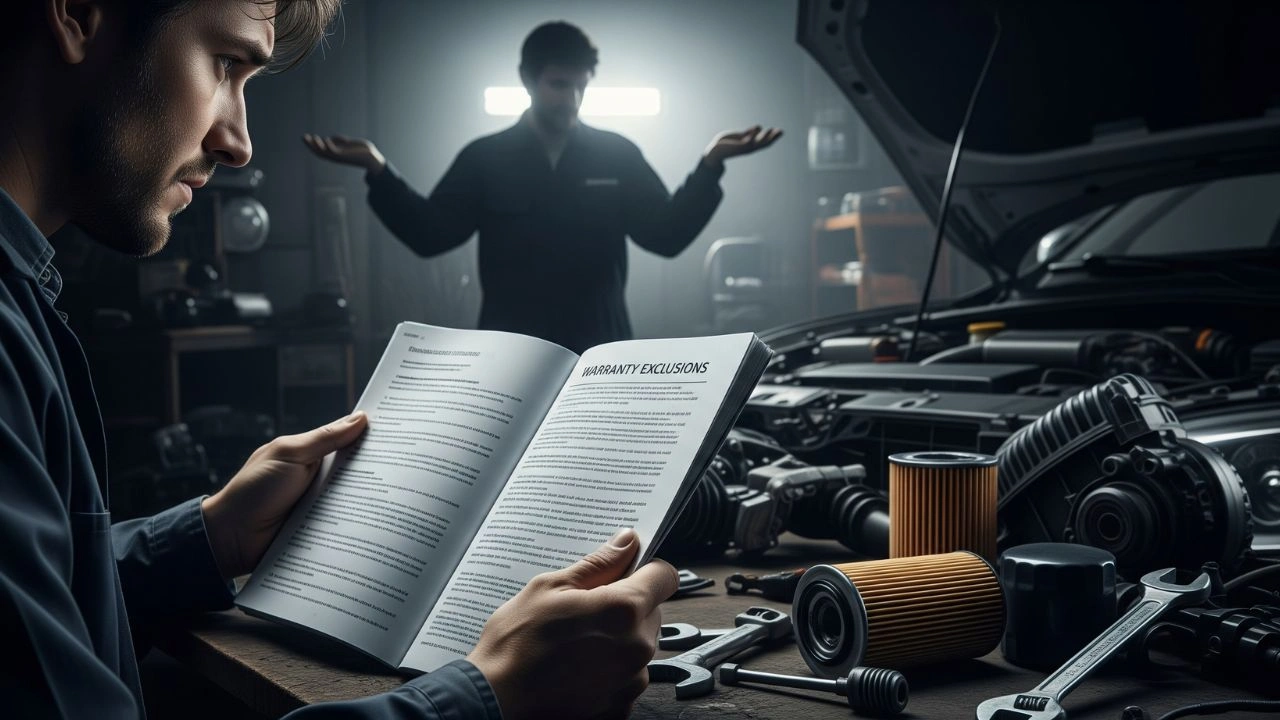
A vehicle warranty is designed to protect car owners from unexpected repair costs, but that protection is not unconditional. Many drivers unknowingly take actions—or fail to take required actions—that can void part or all of their warranty coverage. Understanding Car Maintenance Mistakes That Void Warranty coverage is essential for protecting your investment and avoiding costly disputes with manufacturers.
This comprehensive guide explains the most common maintenance errors that can invalidate warranties, how warranties work, and what steps drivers can take to stay fully protected.
Understanding How Car Warranties Work
A car warranty is a legal agreement between the vehicle owner and the manufacturer that outlines what repairs or defects will be covered for a specific period or mileage. Most new vehicles come with several types of warranties, including bumper-to-bumper, powertrain, corrosion, and emissions warranties.
Warranties typically require owners to follow the manufacturer’s recommended maintenance schedule and use approved parts and fluids. Failure to meet these requirements can give manufacturers grounds to deny warranty claims.
It is important to understand that warranties do not require dealership servicing in many regions, but they do require proper documentation and adherence to service guidelines.
Skipping Scheduled Maintenance
One of the most common mistakes that void warranty coverage is skipping or delaying scheduled maintenance. Manufacturers clearly outline required services such as oil changes, fluid replacements, and inspections.
When an engine or transmission fails, service records are often reviewed. If required maintenance cannot be proven, warranty claims may be denied, even if the failure appears unrelated.
Keeping accurate maintenance records—whether servicing is done at a dealership or independent shop—is critical to preserving warranty protection.
Read Also: VinFast Limo Green: A New Vision for Electric Mobility in 2026
Using Incorrect or Low-Quality Fluids
Modern vehicles require specific oils, coolants, transmission fluids, and brake fluids. Using incorrect fluids or low-quality substitutes can cause internal damage and performance issues.
Manufacturers specify fluid types for a reason. Damage caused by improper fluids is frequently excluded from warranty coverage, as it is considered owner negligence.
Always verify fluid specifications in the owner’s manual and ensure service providers use approved products.
Installing Aftermarket or Non-Approved Parts
Aftermarket parts can enhance appearance or performance, but they also pose warranty risks. While laws in some regions protect consumers’ rights to use aftermarket parts, problems arise when those parts cause or contribute to failures.
Examples include performance chips, non-approved air intake systems, or modified exhaust components. If an aftermarket modification is linked to a failure, warranty coverage for affected components may be voided.
Even cosmetic modifications can cause issues if they interfere with sensors or electronic systems.
Improper DIY Repairs and Modifications
Do-it-yourself maintenance can save money, but mistakes can be costly. Incorrect installation of parts, over-tightening bolts, or misrouting hoses can cause damage that voids warranty coverage.
Manufacturers often require repairs to be performed according to specific procedures. Improper repairs that lead to failure are typically excluded from warranty claims.
DIY maintenance is best limited to basic tasks such as air filter replacement or fluid level checks unless the owner has professional-level experience.
Ignoring Warning Lights and Dashboard Alerts
Dashboard warning lights are early indicators of problems. Continuing to drive with illuminated warning lights—such as the check engine or oil pressure light—can worsen damage.
If a minor issue escalates into a major failure due to neglect, manufacturers may deny warranty coverage. Ignoring warning signs is often considered misuse or lack of proper care.
Prompt diagnosis and repair protect both the vehicle and warranty eligibility.
Using the Wrong Fuel or Fuel Additives
Using fuel with an incorrect octane rating or unapproved additives can damage the engine, fuel system, or emissions components.
Many modern engines are sensitive to fuel quality. Damage caused by improper fuel use is commonly excluded from warranty coverage.
Always follow manufacturer fuel recommendations and avoid additives unless explicitly approved.
Overloading and Improper Vehicle Use
Exceeding towing limits, carrying excessive loads, or using the vehicle for commercial purposes when not designed for it can void warranty coverage.
Manufacturers design vehicles for specific use cases. Damage caused by misuse or abuse falls outside warranty protection.
Review towing capacities and load limits before hauling or towing heavy items.
Neglecting Transmission and Drivetrain Maintenance
Transmission failures are among the most expensive repairs. Many occur due to skipped fluid changes or improper service.
Sealed transmissions still require inspections and service under certain conditions. Neglecting drivetrain maintenance is a common reason for denied warranty claims.
Following recommended service intervals is especially important for vehicles used in heavy-duty conditions.
Electrical System Tampering
Modern vehicles rely on complex electronic systems. Improper wiring, aftermarket electronics, or poor installations can cause electrical failures.
Short circuits, blown modules, or sensor malfunctions resulting from electrical modifications are often excluded from warranty coverage. Electrical tampering is a high-risk warranty violation.
Professional installation is essential for any electrical accessories.
Failure to Address Recalls and Service Campaigns
Manufacturers issue recalls and service campaigns to correct known defects. Ignoring these notices can lead to preventable failures.
If damage occurs due to an unresolve recall, warranty coverage may be jeopardize. Responding promptly to recall notices protects both safety and warranty rights.
Always check for outstanding recalls during routine service visits.
Poor Documentation and Missing Service Records
Even when maintenance is perform correctly, lack of documentation can result in denied claims. Manufacturers require proof that maintenance schedules were follow.
Receipts, service logs, and digital records are essential. Without documentation, warranty coverage becomes difficult to enforce.
Maintaining organized records strengthens your position in warranty disputes.
Environmental Damage and Warranty Exclusions
Damage caused by floods, fire, rodents, or extreme environmental exposure is typically exclude from warranties.
Parking in flood-prone areas or failing to protect wiring from rodents can result in denied claims. Environmental damage is consider outside normal operating conditions.
Taking preventive measures reduces risk and preserves coverage.
Understanding Wear-and-Tear vs. Defects
Warranties cover defects in materials or workmanship, not normal wear and tear. Brake pads, tires, wiper blades, and clutches are typically exclude.
Attempting to claim wear-related failures under warranty often leads to rejection. Understanding coverage limits prevents unrealistic expectations.
Read Also: Car Battery Maintenance and Replacement Warning Signs | Complete Driver Guide
How to Protect Your Warranty
To maintain full warranty coverage:
- Follow the manufacturer’s maintenance schedule
- Use approved parts and fluids
- Keep detailed service records
- Address warning lights immediately
- Avoid unapproved modifications
Proactive care is the best defense against warranty disputes.
What to Do If a Warranty Claim Is Denied
If a claim is denied, request a written explanation. Review warranty terms and maintenance records carefully.
In some regions, consumer protection laws offer recourse. Proper documentation and knowledge of your rights can help resolve disputes.
Seeking a second opinion or escalating the claim may be appropriate in some cases.
Conclusion: Avoiding Costly Warranty Mistakes
Car maintenance mistakes that void warranty coverage are often avoidable. Most issues arise from neglect, misinformation, or improper modifications.
By understanding warranty requirements, following maintenance guidelines, and keeping thorough records, vehicle owners can protect their investment and enjoy peace of mind. Preserving warranty coverage requires awareness, consistency, and responsible vehicle care.
1 thought on “Car Maintenance Mistakes That Void Warranty: What Every Vehicle Owner Must Avoid”