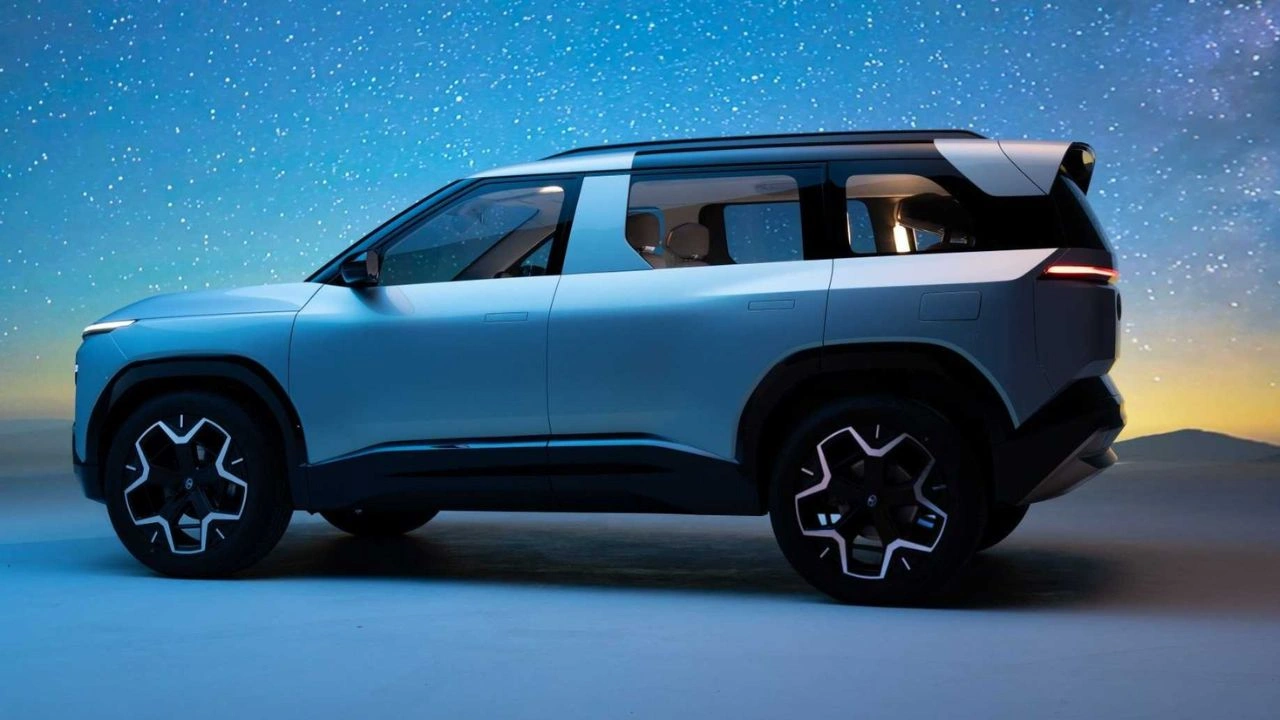
Tata revives an iconic name with the Sierra EV, blending nostalgia, technology, sustainability, performance, and market ambition.
The Tata Sierra EV is more than just another upcoming electric SUV—it represents a bold revival of a legendary badge that once defined lifestyle motoring in India. Expected to launch on January 26, 2026, with an estimated starting price of Rs 15 lakh, the Sierra EV aims to sit at the intersection of heritage design and next-generation electric mobility. With Indian consumers rapidly embracing EVs, this model could become a defining product in Tata’s electric journey.
Developed by Tata Motors, the Sierra EV reflects the brand’s vision of making electric vehicles aspirational yet attainable. Below, we break down everything you need to know—design philosophy, powertrain expectations, features, safety, competition, and whether this SUV is worth waiting for.
The Legacy Behind the Sierra Name
The original Tata Sierra, launched in the 1990s, was India’s first lifestyle SUV. Its distinctive three-door layout, large glass areas, and rugged stance made it a cult favourite long before SUVs became mainstream. While it was ahead of its time, the Sierra eventually disappeared as market preferences shifted.
Fast forward to today, and Tata’s decision to revive the Sierra name as an electric SUV is a strategic nod to nostalgia while embracing modern expectations. The Sierra EV is not a retro remake; instead, it’s a forward-looking product that borrows emotional value from the past and blends it with contemporary EV architecture.
This emotional connection could be a key differentiator in a crowded electric SUV market.
Read Also: Hyundai Prime SD 2025: A New Affordable Sedan Redefining Value, Comfort, and Trust in India
Expected Launch Date and Price Positioning
According to current estimates, the Tata Sierra EV is expected to launch on January 26, 2026, a date often chosen by Tata for landmark announcements. The estimated starting price of Rs 15 lakh positions it attractively between compact electric SUVs and premium EV offerings.
This pricing strategy suggests Tata wants to:
- Target urban families upgrading to EVs
- Compete with both electric and ICE-powered midsize SUVs
- Offer premium design and features without entering luxury pricing territory
If Tata maintains aggressive pricing, the Sierra EV could become one of the best value-for-money electric SUVs in India at launch.
Design Philosophy: Retro Inspiration, Futuristic Execution
One of the most talked-about aspects of the Sierra EV is its design. Based on concept previews, Tata appears to be blending classic Sierra cues with sharp, futuristic elements.
Exterior Highlights (Expected)
- Boxy SUV silhouette inspired by the original Sierra
- LED light bars at the front and rear for a modern EV identity
- Flush door handles for better aerodynamics
- Large glasshouse, paying homage to the original model
- Strong shoulder lines and muscular wheel arches
The design aims to stand out without being polarising, appealing to both nostalgic buyers and younger EV enthusiasts.
Interior and Cabin Experience: Space Meets Technology
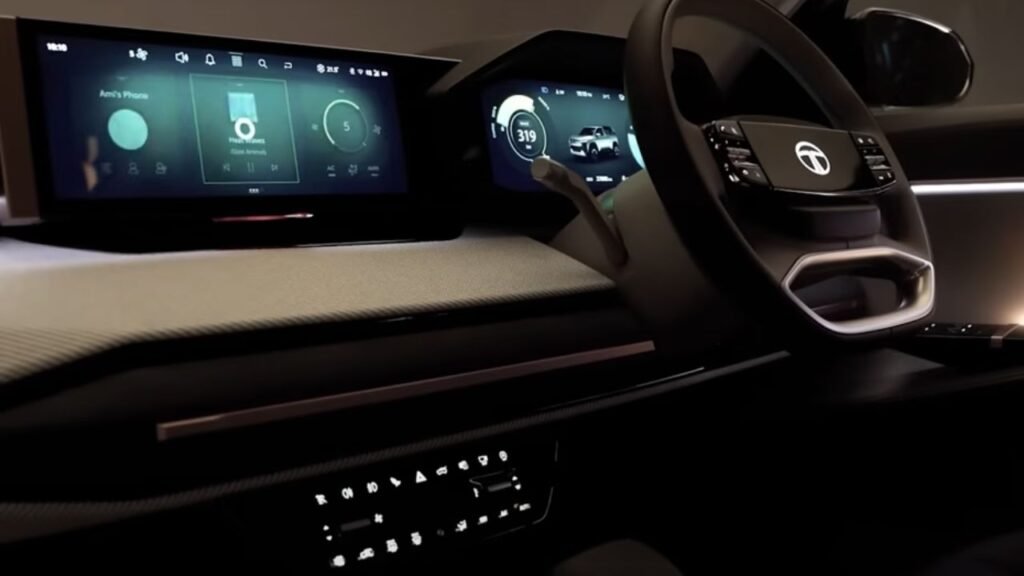
Inside, the Tata Sierra EV is expected to reflect Tata’s recent leap in interior quality and digital integration. Buyers can anticipate a minimalist yet premium cabin that focuses on comfort, connectivity, and sustainability.
Expected Interior Features
- Large touchscreen infotainment system with connected car tech
- Fully digital instrument cluster
- Sustainable materials like recycled fabrics and soft-touch panels
- Panoramic glass roof for an airy cabin feel
- Flat floor architecture thanks to the EV platform, improving legroom
Cabin space is likely to be one of the Sierra EV’s strongest selling points, especially for families and long-distance commuters.
Powertrain, Battery, and Driving Range Expectations
While official specifications are yet to be revealed, industry expectations suggest that the Tata Sierra EV will be built on Tata’s advanced EV skateboard platform.
What We Can Expect
- Single-motor setup at launch, with possible dual-motor AWD later
- Battery capacity in the range of 45–60 kWh
- Expected driving range of 450–500 km (claimed) on a single charge
- Fast-charging support enabling 10–80% charge in under 45 minutes
This range would comfortably cover daily commutes and weekend trips, addressing one of the biggest concerns for first-time EV buyers—range anxiety.
Performance and Driving Dynamics
Unlike traditional SUVs, EVs offer instant torque, and the Sierra EV is expected to capitalize on this advantage. While it may not be marketed as a performance SUV, smooth acceleration and silent cruising will be key strengths.
Likely driving characteristics include:
- Quick off-the-line acceleration for city driving
- Balanced suspension tuned for Indian road conditions
- Low centre of gravity due to floor-mounted battery, improving stability
- Multiple driving modes to balance performance and efficiency
For most buyers, comfort and refinement will matter more than outright speed, and Tata seems to be designing the Sierra EV accordingly.
Safety Features and Build Quality Focus
Safety has become a strong brand pillar for Tata, and the Sierra EV is expected to continue this trend. Buyers can anticipate a high safety rating and robust construction.
Expected Safety Features
- Multiple airbags as standard
- Advanced driver assistance systems (ADAS) in higher variants
- Electronic stability control (ESC)
- 360-degree camera
- Strong body structure with high-strength steel
Safety-conscious Indian buyers are likely to see the Sierra EV as a trustworthy choice, especially for family use.
Technology, Connectivity, and Software Experience
Modern EV buyers expect more than just electric power—they want smart technology. The Sierra EV is expected to integrate advanced software features that enhance everyday usability.
Likely Tech Highlights
- Over-the-air (OTA) updates
- Smartphone app integration for charging and vehicle monitoring
- Voice-assisted controls
- Smart navigation with charging station mapping
- Digital key and remote functions
These features could make the Sierra EV feel more like a smart device on wheels, aligning with the expectations of tech-savvy users.
Charging Infrastructure and Ownership Experience
Tata has already built one of the largest EV ecosystems in India, and Sierra EV buyers are likely to benefit from this network.
Ownership advantages may include:
- Access to Tata Power’s expanding fast-charging network
- Home charger installation support
- Lower running costs compared to petrol or diesel SUVs
- Reduced maintenance due to fewer moving parts
For buyers worried about EV ownership complexity, Tata’s ecosystem offers reassurance.
Competition Analysis: Where Does the Sierra EV Stand?
By 2026, the Indian EV market will be far more competitive than it is today. The Sierra EV is expected to compete with:
- Midsize electric SUVs from global and domestic brands
- Premium ICE SUVs in the Rs 15–20 lakh range
- Hybrid SUVs offering fuel efficiency but not full electrification
What sets the Sierra EV apart is its unique combination of heritage, design, range, and pricing. Few competitors will offer this emotional appeal alongside modern EV credentials.
Who Should Consider Waiting for the Tata Sierra EV?
The Sierra EV may be ideal for:
- Buyers planning to switch from ICE to EV in the next 1–2 years
- Families seeking a spacious, safe, and future-ready SUV
- Urban professionals wanting a stylish yet practical electric vehicle
- Long-term owners focused on sustainability and lower running costs
If you value brand trust, design identity, and a balanced feature set, the Sierra EV could be worth the wait.
Read Also: Maruti e Vitara 2026: India’s Most Anticipated Electric SUV Set to Transform Mass EV Adoption
Market Impact and Future Outlook
The launch of the Tata Sierra EV could mark a turning point in India’s electric SUV segment. By reviving a beloved nameplate in an electric avatar, Tata is not just launching a new product—it is telling a story of evolution.
If priced and executed well, the Sierra EV could:
- Strengthen Tata’s dominance in the Indian EV market
- Encourage hesitant buyers to adopt electric mobility
- Set a new benchmark for design-led electric SUVs
Its success may influence how other legacy models are reborn in the EV era.
Conclusion: A Name from the Past, Built for the Future
The Tata Sierra EV, expected at Rs 15 lakh with a January 26, 2026 launch, represents a thoughtful blend of nostalgia and innovation. It promises modern electric performance, contemporary design, strong safety credentials, and an ownership ecosystem that reduces EV anxiety.
While official details are still awaited, the Sierra EV already stands out as one of the most anticipated electric SUVs in India. For buyers willing to wait, it could offer not just transportation—but an experience rooted in heritage and driven by the future.
1 thought on “Tata Sierra EV: A Legendary Name Reimagined for India’s Electric Future”