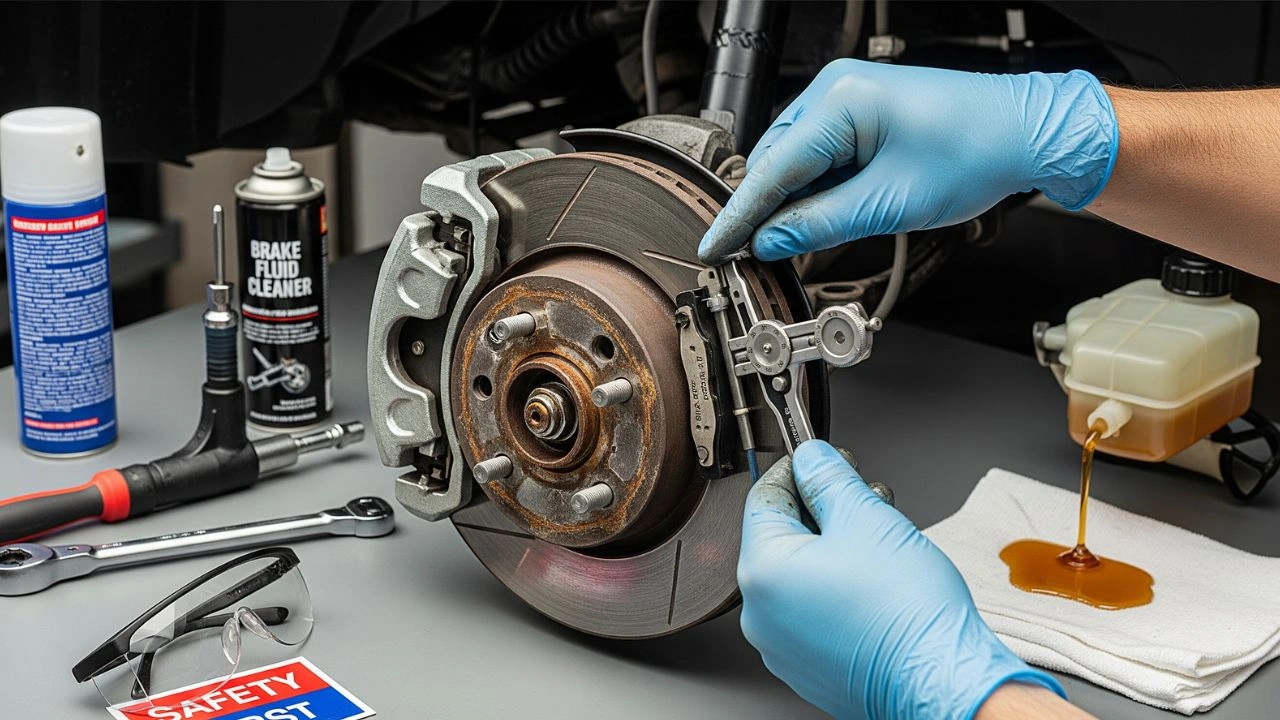
Brake System Maintenance and Safety Checks: A complete, practical guide to brake system maintenance that improves safety, prevents failures, and reduces costly repairs long-term.
Your vehicle’s braking system is its most critical safety feature. No matter how powerful the engine or advanced the technology, a car is only as safe as its ability to stop. Brake-related issues are among the leading causes of accidents worldwide, and in most cases, these problems develop slowly due to neglect rather than sudden failure.
This in-depth guide explains brake system maintenance and safety checks in a clear, practical way. From understanding how brakes work to recognizing early warning signs and following preventive maintenance routines, this article will help you keep your brakes reliable, responsive, and safe under all driving conditions.
Why Brake System Maintenance Is Non-Negotiable
Brakes operate under extreme conditions. Every time you press the brake pedal, the system converts kinetic energy into heat through friction. Over time, this intense process causes wear, heat damage, and fluid degradation.
Neglecting brake maintenance can lead to:
- Increased stopping distance
- Brake fade during emergency stops
- Uneven braking or pulling
- Complete brake failure
- Expensive component replacement
Regular maintenance ensures predictable braking performance and protects both the driver and other road users.
Read Also: Maruti e Vitara 2026: India’s Most Anticipated Electric SUV Set to Transform Mass EV Adoption
Understanding How a Car Brake System Works
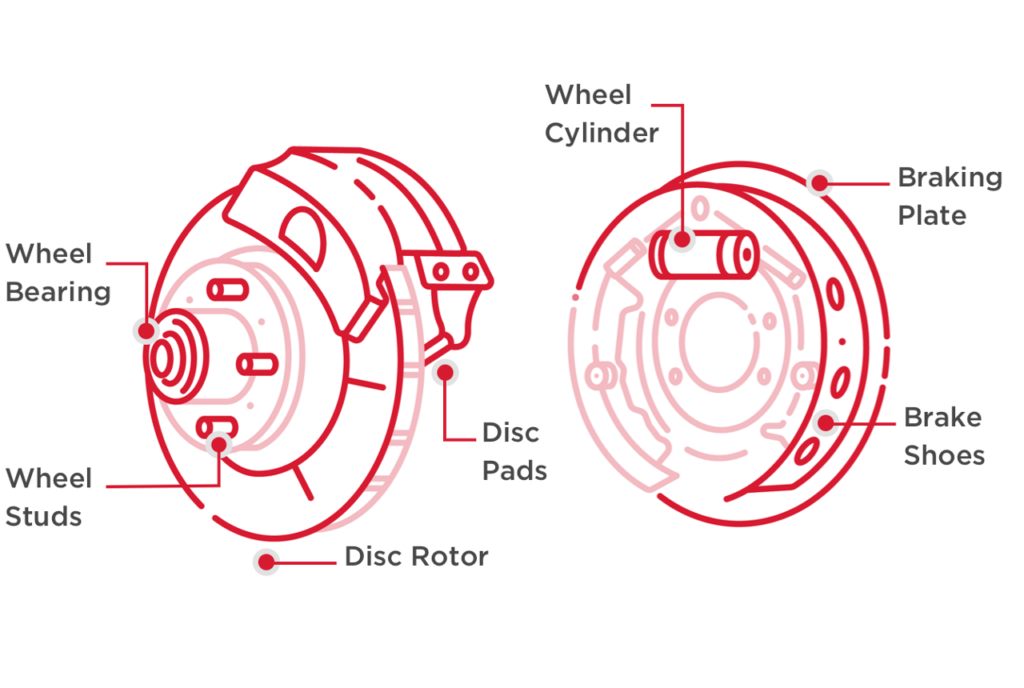
To maintain brakes properly, it helps to understand their basic operation. Most modern vehicles use disc brakes on the front wheels and either disc or drum brakes on the rear.
Key brake components include:
- Brake pedal
- Brake booster
- Master cylinder
- Brake fluid
- Brake lines and hoses
- Brake calipers
- Brake pads and rotors (or drums and shoes)
When you press the pedal, hydraulic pressure forces the brake pads against the rotors, creating friction that slows the vehicle. Any weakness in this chain reduces braking effectiveness.
Brake Pads: The First Line of Wear
Brake pads are designed to wear out gradually. They sacrifice themselves to protect more expensive components like rotors.
Signs of worn brake pads:
- Squealing or grinding noise
- Reduced braking response
- Vibration while braking
- Warning light on dashboard
Ignoring worn pads can damage rotors, turning a simple pad replacement into a costly repair.
Brake pads should be inspected every 10,000–15,000 kilometers, depending on driving conditions.
Brake Rotors and Discs: Smoothness Matters
Rotors provide the surface against which brake pads apply friction. Over time, rotors can warp, crack, or wear unevenly.
Common rotor issues include:
- Steering wheel vibration
- Pulsating brake pedal
- Reduced braking efficiency
Resurfacing or replacing damaged rotors restores smooth braking and prevents uneven pad wear.
Brake Fluid: The Hidden Lifeline
Brake fluid transfers force from the pedal to the wheels. Unlike other fluids, brake fluid is hygroscopic—it absorbs moisture from the air.
Moisture contamination causes:
- Reduced braking pressure
- Corrosion inside brake lines
- Brake fade during hard braking
Brake fluid should be replaced at manufacturer-recommended intervals, typically every 2–3 years, even if mileage is low.
Hoses and Brake Lines : Often Overlooked, Always Critical
Brake lines carry pressurized fluid to each wheel. Cracked hoses or corroded metal lines can leak or burst under pressure.
Safety checks include:
- Inspecting for cracks or bulges
- Checking for rust or leaks
- Ensuring secure fittings
A single compromised brake line can lead to partial or total brake failure.
Brake Calipers: Precision Components That Need Care
Brake calipers house pistons that push pads against the rotors. Dirt, corrosion, or seized pistons can cause uneven braking.
Symptoms of caliper problems:
- Car pulling to one side
- Uneven pad wear
- Overheating brakes
Regular cleaning and lubrication during brake service prevent caliper seizure and extend brake life.
Drum Brakes: Rear Brake Maintenance Essentials
Some vehicles use drum brakes at the rear. While durable, they still require regular inspection.
Drum brake maintenance includes:
- Checking brake shoes
- Inspecting wheel cylinders for leaks
- Cleaning accumulated brake dust
Neglected drum brakes reduce overall braking balance and performance.
Brake Booster and Master Cylinder Checks
The brake booster reduces pedal effort, while the master cylinder generates hydraulic pressure.
Warning signs include:
- Hard brake pedal
- Spongy or sinking pedal
- Brake warning lights
These components are vital to braking safety and should be inspected immediately if symptoms appear.
ABS System and Electronic Brake Safety
Modern vehicles are equipped with Anti-lock Braking Systems (ABS) and electronic stability controls. These systems rely on sensors and control modules.
ABS-related checks include:
- Monitoring warning lights
- Keeping wheel speed sensors clean
- Performing diagnostic scans
Ignoring ABS warnings does not disable basic brakes but reduces safety during emergency braking.
Brake Noise: When Sounds Signal Trouble
Not all brake noise is normal. While light squealing can occur, persistent or loud noises indicate problems.
Common brake sounds and meanings:
- High-pitched squeal: worn pads
- Grinding: metal-on-metal contact
- Clicking: loose components
Early attention prevents further damage and restores quiet, smooth braking.
Brake Safety Checks Before Long Trips
Before long journeys, a quick brake inspection ensures peace of mind.
Pre-trip brake checklist:
- Check brake fluid level
- Test pedal firmness
- Listen for unusual noises
- Inspect for leaks
A few minutes of inspection can prevent dangerous roadside situations.
Driving Habits That Extend Brake Life
Your driving style directly affects brake wear.
Brake-friendly habits include:
- Maintaining safe following distance
- Anticipating traffic stops
- Avoiding aggressive braking
- Using engine braking on slopes
Smooth driving reduces heat buildup and prolongs brake component life.
Seasonal Brake Maintenance Considerations
Weather conditions affect brake performance.
- Monsoon/Rainy Season: Increased moisture can cause rust and reduced braking efficiency
- Summer: Heat accelerates brake wear and fluid degradation
- Winter (if applicable): Road salt increases corrosion risk
Seasonal inspections help adapt brake care to environmental conditions.
Professional Brake Inspections vs DIY Checks
While basic checks can be done at home, professional inspections provide deeper insights.
Professional services include:
- Measuring pad and rotor thickness
- Brake fluid testing
- Caliper and hose inspection
- ABS diagnostics
Combining DIY awareness with professional inspections ensures maximum safety.
Cost Benefits of Preventive Brake Maintenance
Preventive brake care saves money over time by:
- Avoiding rotor and caliper replacement
- Reducing labor costs
- Preventing accident-related expenses
Replacing brake pads on time is far cheaper than repairing damaged rotors or calipers.
Read Also: Seasonal Car Maintenance Guide for Summer and Monsoon Driving
Warning Signs That Demand Immediate Attention
Never delay inspection if you notice:
- Brake pedal sinking to the floor
- Sudden loss of braking power
- Burning smell from wheels
- Brake warning lights
These signs indicate serious issues that can compromise safety instantly.
Conclusion: Brakes Are About Safety, Not Just Maintenance
Brake system maintenance is not optional—it is a responsibility. Unlike cosmetic or comfort features, brakes directly determine whether a vehicle can stop safely when needed.
Consistent brake inspections, timely fluid replacement, and attention to early warning signs can prevent accidents and save lives. Investing time and care in brake maintenance ensures confidence behind the wheel and peace of mind on every journey.
Make brake system checks a routine habit, and your vehicle will respond with reliable, predictable stopping power—every time you need it most.