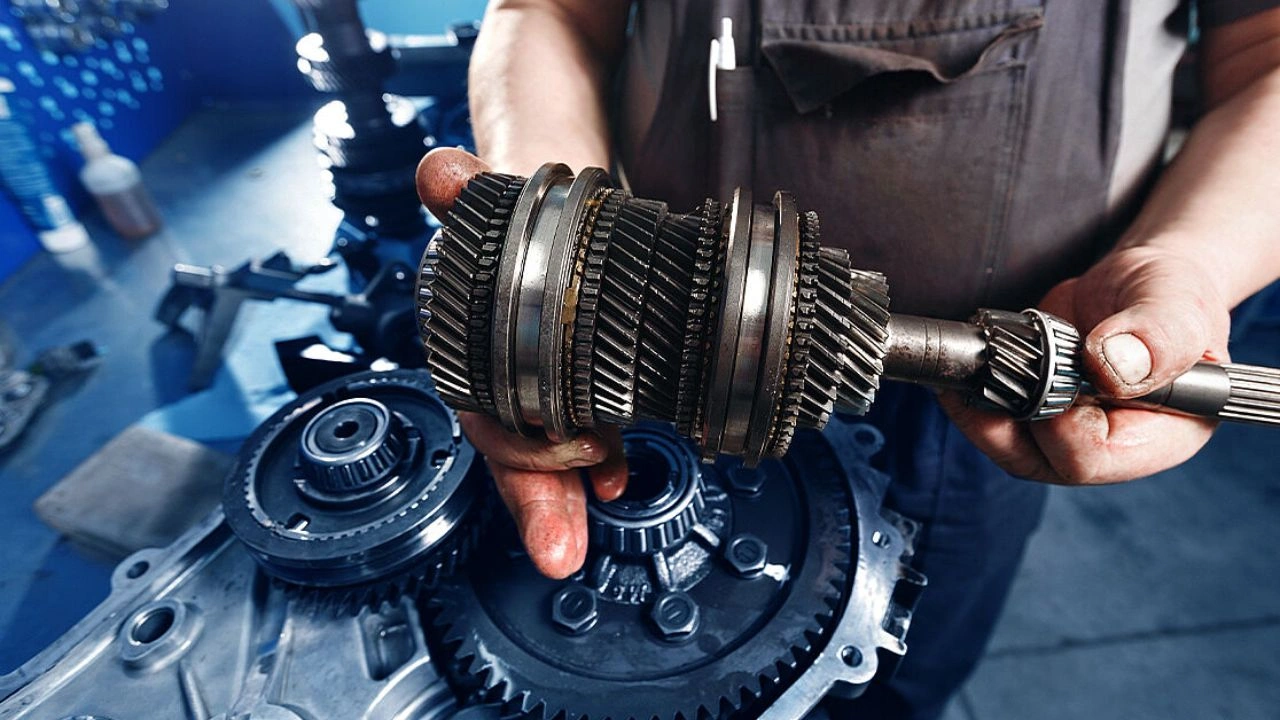
The transmission is one of the most complex and expensive components in any vehicle. It is responsible for transferring engine power to the wheels, managing speed, torque, and direction with precision. Whether your car has a manual, automatic, continuously variable (CVT), or dual-clutch transmission, proper transmission maintenance and gearbox care are essential for smooth performance, fuel efficiency, and long-term reliability.
This comprehensive guide explains how transmissions work, why maintenance matters, common warning signs of trouble, and best practices to extend the life of your gearbox.
Understanding the Role of the Transmission
The transmission acts as a bridge between the engine and the wheels. While the engine produces power, it cannot directly deliver usable torque across varying speeds. The transmission solves this problem by adjusting gear ratios, allowing the vehicle to accelerate smoothly, climb hills efficiently, and cruise at highway speeds without overworking the engine.
In manual transmissions, the driver controls gear changes using a clutch and gear selector. Automatic and CVT systems rely on hydraulic pressure, electronic controls, and sensors to shift gears automatically. Dual-clutch systems blend aspects of both for fast, seamless gear changes.
A healthy transmission ensures smooth shifting, optimal engine performance, and reduced mechanical stress throughout the drivetrain.
Read Also: Mahindra BE 07 2026: The Electric SUV That Signals Mahindra’s Boldest Leap Into the Future
Types of Transmissions and Their Maintenance Needs
Different transmission designs have unique maintenance requirements. Understanding which type your vehicle uses is critical for proper care.
Manual Transmissions
Manual gearboxes rely on a clutch to engage and disengage gears. They typically require less frequent fluid changes than automatics, but clutch wear is a key concern. Smooth driving habits and timely clutch replacement are essential to longevity.
Automatic Transmissions
Automatic transmissions use complex hydraulic systems and electronic controls. They are highly sensitive to fluid conditions, making regular fluid inspection and replacement crucial. Neglecting fluid service is one of the leading causes of automatic transmission failure.
Continuously Variable Transmissions (CVTs)
CVTs use belts or chains instead of fixed gears, providing seamless acceleration. These systems require specialized fluids and strict maintenance schedules. Using the wrong fluid can cause immediate and irreversible damage.
Dual-Clutch Transmissions (DCTs)
Dual-clutch systems offer fast, efficient shifting but demand precise lubrication and calibration. Proper servicing is essential to prevent overheating and premature wear.
Why Transmission Maintenance Is Critical
Transmission repairs are among the most expensive automotive services. In many cases, preventive maintenance costs a fraction of a full transmission rebuild or replacement.
Proper maintenance reduces internal friction, dissipates heat, and protects gears, bearings, and seals. It also ensures smooth shifting and consistent power delivery. Without maintenance, contaminants build up in the fluid, seals harden, and components wear prematurely.
Routine gearbox care protects not only the transmission but also the engine, driveshafts, and differential, ensuring the entire powertrain operates harmoniously.
Transmission Fluid: The Lifeblood of the Gearbox
Transmission fluid plays multiple roles. It lubricates moving parts, cools internal components, transfers hydraulic pressure, and cleans contaminants. Over time, fluid degrades due to heat and friction.
Fresh fluid is typically bright red or amber, depending on the type. As it ages, it darkens and develops a burnt smell. Degraded fluid loses its protective properties, leading to increased wear and overheating.
Checking fluid levels and condition regularly—where applicable—is one of the most effective ways to monitor transmission health. Some modern vehicles have sealed transmissions, requiring professional inspection.
How Often Should Transmission Fluid Be Changed?
Fluid change intervals vary widely depending on transmission type, vehicle design, and driving conditions. Traditional guidance ranges from 30,000 to 60,000 miles, but many manufacturers now recommend longer intervals for newer vehicles.
However, severe driving conditions—such as towing, stop-and-go traffic, mountainous terrain, or extreme temperatures—require more frequent service. Ignoring these conditions can drastically shorten transmission life.
Consulting the owner’s manual and following manufacturer recommendations is essential. When in doubt, proactive maintenance is safer than delayed service.
Transmission Flush vs. Fluid Change: Understanding the Difference
A transmission fluid change involves draining old fluid and replacing it with fresh fluid. This method replaces only a portion of the total fluid. A transmission flush uses specialized equipment to replace nearly all the fluid.
While a flush can restore performance in some cases, it is not suitable for every vehicle, especially older transmissions with internal wear. Flushing can dislodge debris and cause shifting problems if done improperly.
Professional evaluation is necessary to determine which service is appropriate. In many cases, regular fluid changes provide sufficient protection without the risks associated with flushing.
Common Signs of Transmission Problems
Recognizing early warning signs allows drivers to address issues before major damage occurs. Common symptoms include:
- Delayed or rough gear shifting
- Slipping gears or sudden loss of power
- Unusual noises such as whining or grinding
- Transmission fluid leaks
- Burning smell from the engine bay
- Dashboard warning lights related to the transmission
Ignoring these signs can lead to catastrophic failure, often requiring complete transmission replacement.
Gearbox Noises and What They Mean
Unusual sounds often indicate internal issues. A whining noise may suggest low fluid levels or worn bearings. Grinding sounds in manual transmissions often point to clutch or synchronizer problems.
Automatic transmissions may produce clunking sounds during shifting if internal components are worn or fluid pressure is inconsistent. Any new or persistent noise should be investigated promptly to prevent further damage.
The Impact of Driving Habits on Transmission Health
Driving behavior plays a significant role in transmission longevity. Aggressive acceleration, hard braking, and frequent gear changes increase stress on internal components.
Riding the clutch in manual vehicles causes excessive wear and overheating. In automatic vehicles, shifting between drive and reverse without coming to a complete stop places immense strain on the gearbox.
Smooth, deliberate driving reduces heat and wear. Adopting transmission-friendly habits can add years to gearbox life.
Towing and Heavy Loads: Extra Strain on the Transmission
Towing and carrying heavy loads significantly increase transmission stress. Heat buildup is the primary concern, as excessive temperatures degrade fluid rapidly.
Vehicles used for towing should have more frequent fluid changes and, in some cases, auxiliary transmission coolers. Proper cooling is critical to preventing transmission failure under load.
Failing to adjust maintenance schedules for heavy-duty use is a common cause of premature transmission breakdowns.
Cold Weather and Transmission Performance
Cold temperatures thicken transmission fluid, reducing lubrication efficiency during startup. This can cause delayed shifting and increased wear until the fluid warms up.
Allowing the vehicle to warm briefly before driving and avoiding aggressive acceleration in cold conditions helps protect the gearbox. Gentle driving during warm-up is especially important in winter climates.
Preventive Gearbox Care Tips
Simple preventive measures can significantly extend transmission life:
- Follow recommended service intervals
- Use only manufacturer-approved fluids
- Fix fluid leaks immediately
- Avoid overheating through smooth driving
- Schedule inspections at the first sign of trouble
These practices reduce the likelihood of unexpected breakdowns and expensive repairs.
Manual Transmission Clutch Care
In manual vehicles, clutch health is closely tied to transmission longevity. A worn or slipping clutch places added stress on gears and synchronizers.
Avoid resting your foot on the clutch pedal and use neutral when stopped for extended periods. Proper clutch technique protects both the clutch and the gearbox.
Replacing a clutch at the right time prevents secondary damage and restores driving performance.
Electronic Controls and Modern Transmissions
Modern transmissions rely heavily on electronic control modules and sensors. Software updates and recalibrations are sometimes required to maintain optimal shifting behavior.
Electrical issues can mimic mechanical failures, making professional diagnostics essential. Advanced technology improves efficiency but increases the importance of expert servicing.
Transmission Maintenance Costs vs. Repair Costs
Routine maintenance is relatively affordable compared to repairs. Fluid changes and inspections cost significantly less than rebuilds or replacements, which can reach thousands of dollars.
Investing in preventive care provides peace of mind and protects vehicle value. The cost of maintenance is minimal compared to the financial impact of transmission failure.
When to Seek Professional Transmission Service
While some maintenance tasks are straightforward, transmission service often requires specialized tools and expertise. Professional technicians can perform diagnostics, fluid analysis, and software updates accurately.
DIY attempts without proper knowledge can worsen problems. When it comes to transmission care, professional service is often the safest and most cost-effective option.
Read Also: Maruti e Vitara 2026: India’s Most Anticipated Electric SUV Set to Transform Mass EV Adoption
The Long-Term Benefits of Proper Transmission Care
Well-maintained transmissions deliver smoother performance, better fuel efficiency, and longer vehicle life. They also contribute to higher resale value and fewer unexpected repairs.
Drivers who prioritize gearbox care enjoy consistent performance and confidence behind the wheel. Over time, proper maintenance pays dividends in reliability and reduced operating costs.
Conclusion: Protecting Your Vehicle Through Transmission Maintenance
Transmission maintenance and gearbox care are essential elements of responsible vehicle ownership. From fluid service and driving habits to early problem detection, every aspect of care contributes to long-term reliability.
A proactive approach to transmission maintenance prevents costly repairs, enhances driving comfort, and ensures dependable performance. By understanding how your transmission works and committing to regular care, you protect one of your vehicle’s most vital and valuable components.